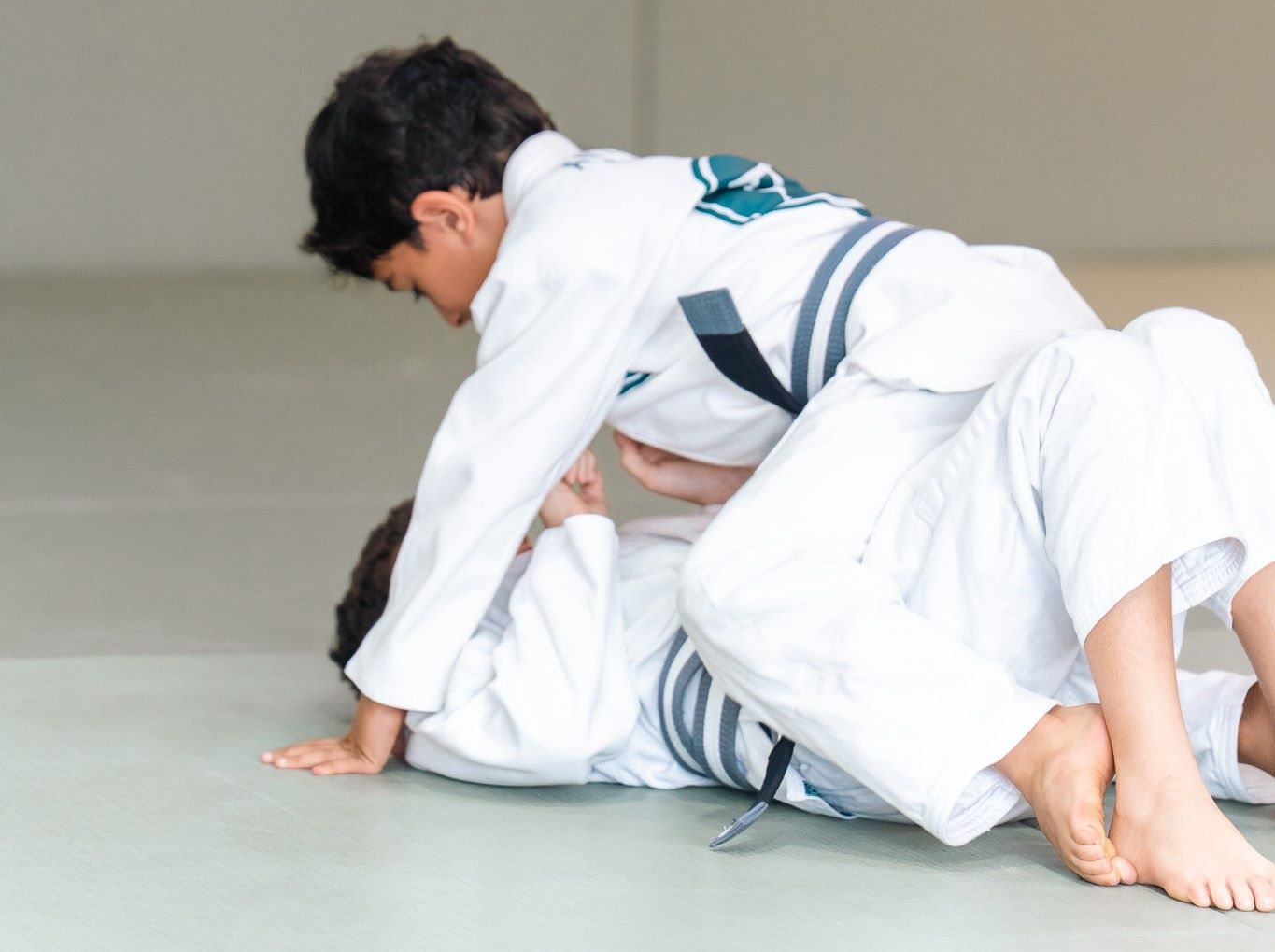
Why jiu jitsu stands apart from other martial arts — and how it teaches you to stand up to bigger, stronger opponents.
While martial arts like karate and judo are excellent for self-defense and self-improvement, the art of jiu jitsu also carries a significant social, physical, and mental impact. The benefits of learning go far beyond the mat.
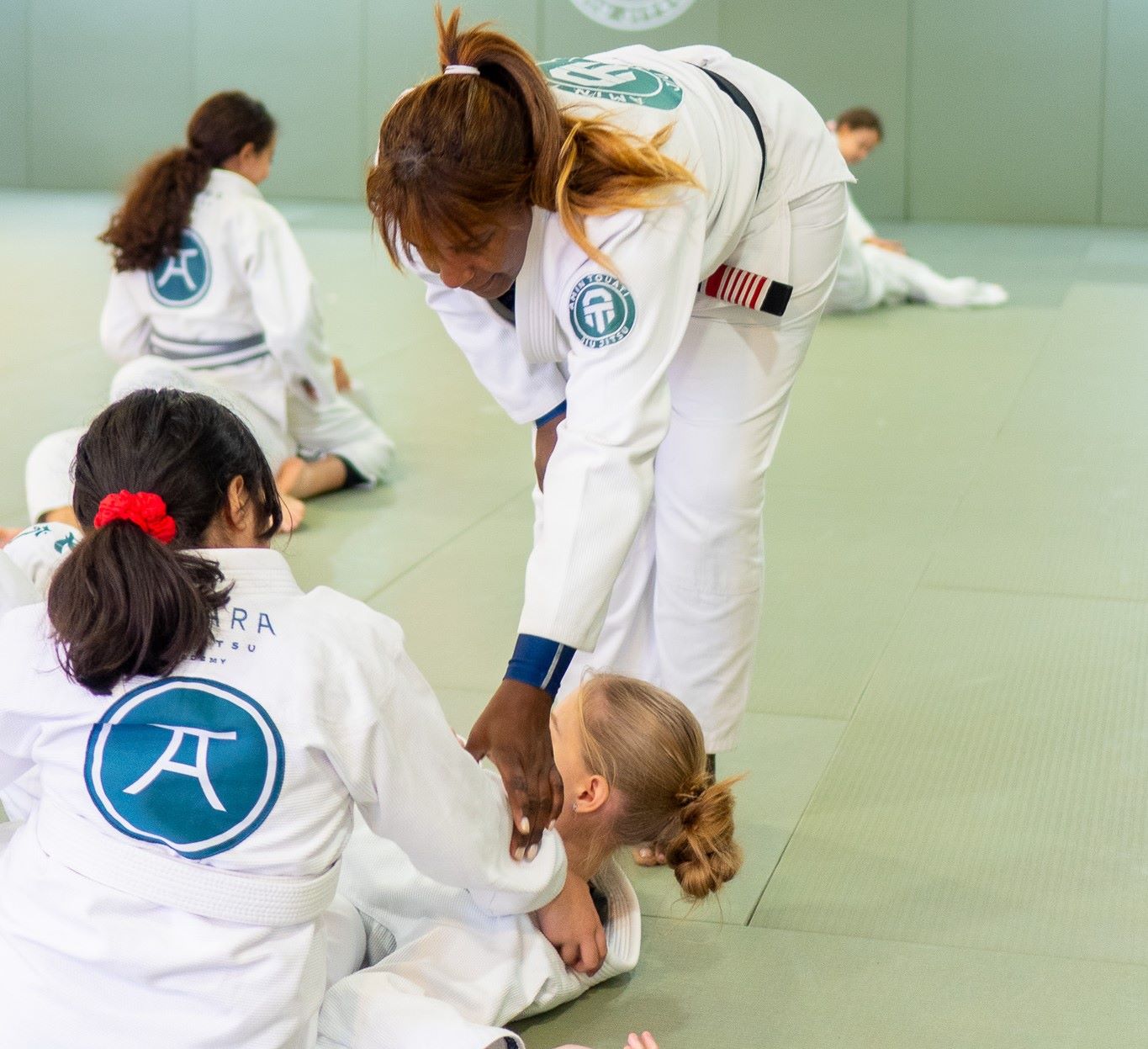
Jiu jitsu is often called “the gentle art,” and for good reason. It is built on a simple but powerful premise: a smaller, weaker person can defend against, and even control, a bigger, stronger opponent by using technique, leverage, and timing rather than brute force.
The great equaliser
Most confrontations end up on the ground, and this is exactly where jiu jitsu specialises. Instead of trading strikes — where size and power decide the outcome — jiu jitsu teaches you to manage distance, control position, and neutralise a threat safely. For anyone who has ever felt physically outmatched, this is transformative.
Problem-solving under pressure
Practitioners often describe jiu jitsu as “physical chess.” Every exchange is a puzzle: anticipate, react, adjust. This trains a calm, analytical mind under stress — a skill that transfers directly to school, work, and everyday challenges.
Standing up, on and off the mat
Learning to stand up to an opponent isn’t only physical. It’s about refusing to panic, holding your composure, and trusting your training. Students learn that discomfort is survivable and that persistence beats intensity. That lesson quietly reshapes how they face difficulty everywhere.
A community that lifts you
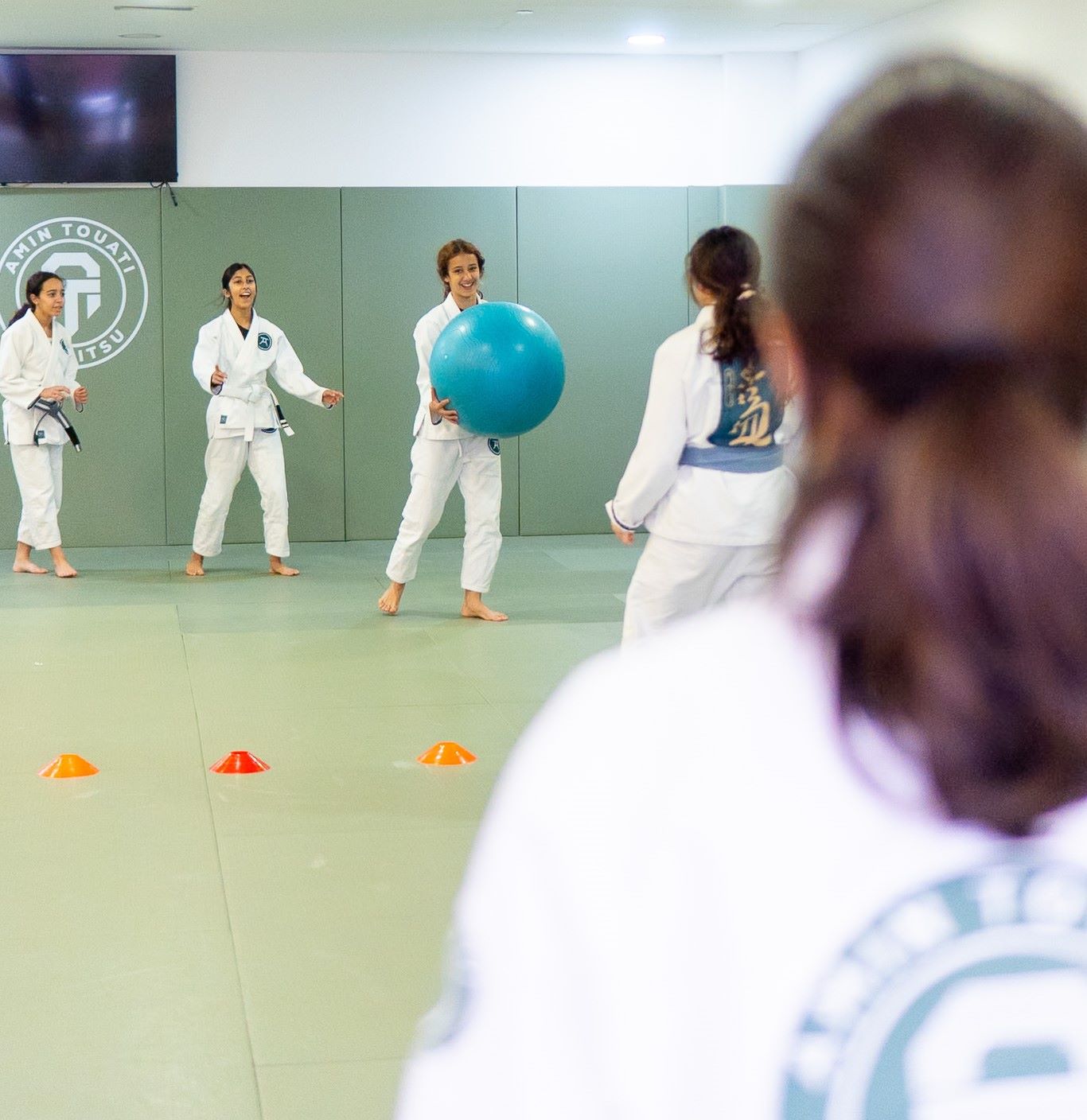
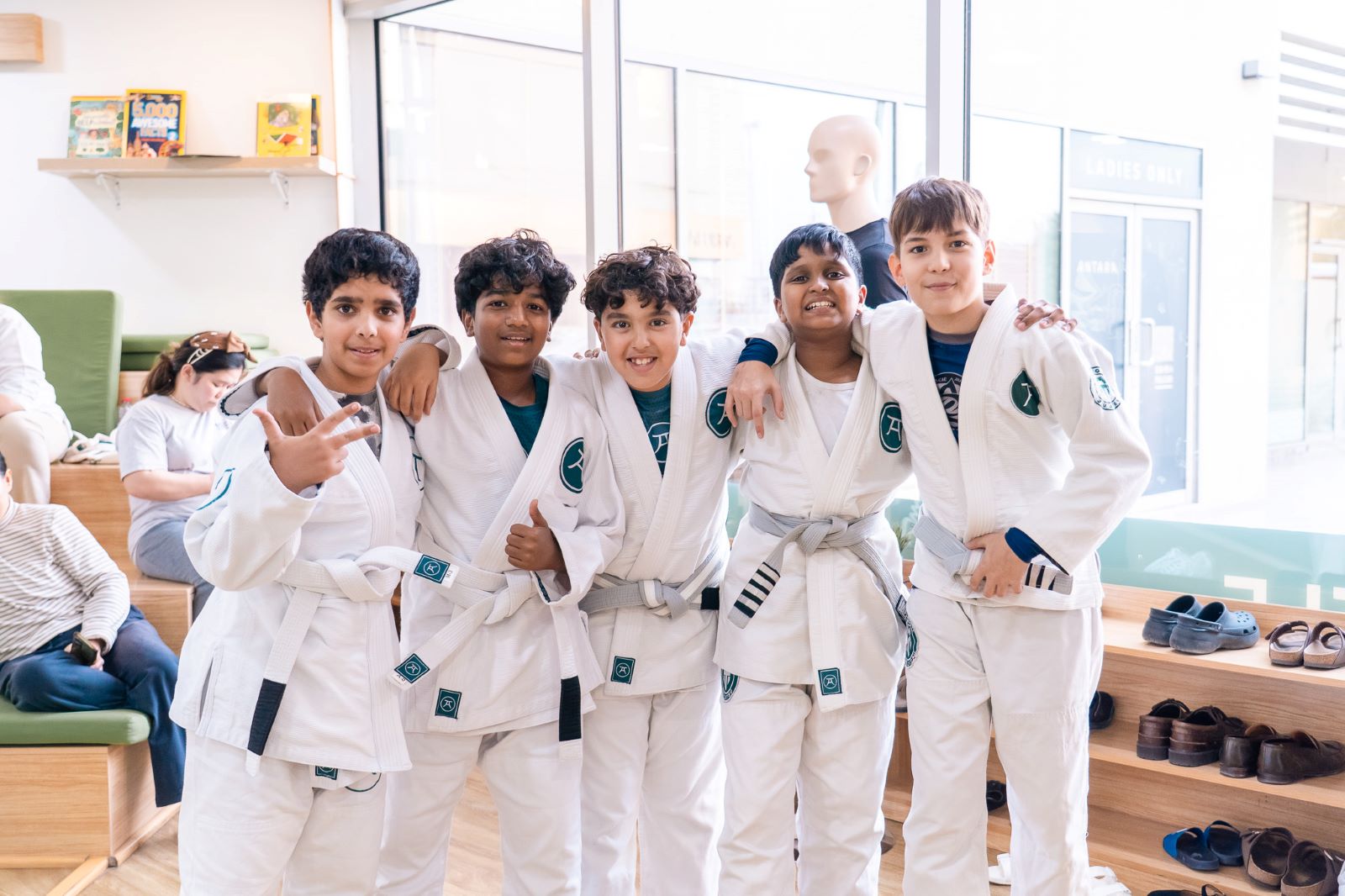
Jiu jitsu is deeply social. You progress by training with partners who challenge and support you. Belts are earned over years, not weeks, which builds patience, humility, and genuine, lasting confidence.
At Antara, we teach jiu jitsu as a pathway — a way to build capable, grounded people who know how to stand up for themselves and stay calm while doing it.
Curious what jiu jitsu could do for you or your child? Book a trial class and step onto the mat.